Applying the Science of Reading: Kirsten Kastberg’s Story
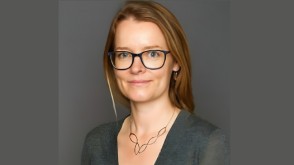
Finding the Right Fit: A Graduate Program Built for Literacy Educators
When choosing a graduate program, Kirsten Kastberg knew exactly what she was looking for. She wanted a program that would truly advance her skills in her field and one that would teach practical strategies she could implement immediately with students. It needed to balance theory and practice, be accredited by the IDA, and offer the flexibility of an online format while still meeting synchronously. The Reading and Literacy Instruction graduate program checked every box.
From day one, the impact was clear. Kirsten now uses knowledge, lesson plans, and resources from the program in her work every single day. She speaks confidently about the science of reading and best practices in literacy instruction. And when she encounters something she doesn’t know, she knows exactly where to turn for answers. The program has helped her approach her work more systematically. She thinks not only about the big picture of what literacy instruction should look like, but also about how to implement daily practices that align with those goals.
Some classes stood out in particular. She loved the Structures of Language courses for the deep foundational knowledge and theory behind how to best teach reading. The multi-modal class built on that foundation and applied it to planning and implementation. Reading Comprehension and Approaches to Writing were also favorites because everything covered was directly applicable to her work with students. Across all courses, the discussions and relationships built with instructors and classmates—whether in whole-group conversations or breakout rooms—were a highlight each week.
Learning From Leaders in Literacy Education
Faculty mentorship also made a lasting impression. Phyllis Hakeem leads the program with passion and expertise, consistently prioritizing high-quality instruction and the latest research. Kirsten considers her a lifelong mentor and trusted source of guidance in literacy instruction. Jill Pompi is a master teacher, and Kirsten would gladly continue taking classes with her. As she finishes the program, she knows Jill will remain a lifeline as she implements what she has learned. Kim Bell went above and beyond in supporting her as she worked toward her Orton-Gillingham certification.
One unexpected but deeply valued aspect of the program was how directly applicable the coursework was to her daily work with students and colleagues.
The program has also supported her professional growth. Kirsten believes that earning her Orton-Gillingham certification and Ed.S. degree helped her move into a Learning Specialist position.
Advice for Future Literacy Educators
Her advice to prospective students? She highly recommends the program and encourages applicants to connect with current and former students to hear about their experiences. Over the past two and a half years, she relied heavily on her classmates for insight on pacing, courses, and assignments—and found that support invaluable.