
Bay Path University’s Dr. Gabi Morgan Receives Distinguished Teaching Award in Applied Behavior Analysis
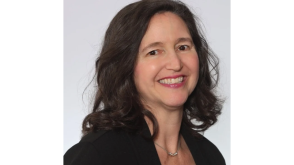
Dr. Gabi Morgan, associate professor of applied behavior analysis at Bay Path University, has received the Beth Sulzer-Azaroff Award for Distinguished Teaching from the Berkshire Association for Behavior Analysis & Therapy. The award honors Massachusetts faculty who have made significant contributions to the field through excellence in undergraduate or graduate teaching.
At Bay Path, Morgan developed Trauma-Informed Practice in ABA, a course offered as part of both the University’s concentration of the same name and its Certificate in Trauma-Informed Professional Practices. She teaches students to consider how a person’s past experiences may shape how they respond to support and to use that understanding to choose strategies that are ethical, respectful, and effective.
Dr. Morgan brings that same approach to a new book co-authored with David Adams. Trauma-Informed Practice in Behavior Analysis: Integrating Science, Compassion, and Ethics, published by KeyPress Publishing, is available today. Written for behavior analysts, educators, and allied professionals, the book explores how practitioners can account for the effects of trauma when choosing and adapting the support they provide.
Applied behavior analysis, or ABA, uses the science of learning and behavior to help people build skills that matter in everyday life. In a school, a behavior analyst might work with a teacher to break an assignment into manageable steps or help a student learn to ask for a break. In clinics and adult service programs, behavior analysts may help autistic people and people with other developmental disabilities communicate their needs or manage daily routines more independently.
Morgan also organizes Bay Path’s annual Trauma-Informed Practice in ABA conference. Through her teaching, she helps future behavior analysts think carefully about the people behind the decisions they make. As her students go on to work with individuals and families, coach educators, and mentor colleagues, they bring that perspective into schools, clinics, and community programs.